Quick Reference: 

Braising is a two-step cooking method: brown food to build flavor, then cook it gently in liquid, covered, until tender. It works on the stovetop or in the oven with steady, low heat. Quick braises (20-45 minutes) suit vegetables and tender cuts like chicken thighs. Long braises (2-4 hours) transform tough cuts like brisket or pork shoulder. Use any flavorful liquid—stock, wine, beer, or water—filling the pan one-third to halfway up the food. A tight-fitting lid is essential for trapping moisture. Cast iron works well for braising once seasoning is established; acidic ingredients like tomatoes or wine are fine for moderate cooking times. Brown deeply, add liquid, cover, and let time do the work.

Table of Contents

1. What is Braising 
2. A Simple Braising Blueprint
3. Quick Braise vs. Long Braise
4. Does a Braise Always go in an Oven?
5. Vegetables vs. Meat
6. Choosing a Braising Liquid
7. The Lid Matters more than you think
8. Where to start


What Is Braising?

Braising is a simple, two-step process:

  1. Brown the food to build flavor.

  2. Cook it gently in liquid, covered, until tender. 

It sits somewhere between roasting and simmering. You’re not boiling food in liquid, and you’re not cooking it dry. You’re creating a moist, enclosed environment where steady heat and time do the work. 


A Simple Braising Blueprint

You can braise almost anything this way:

  1. Heat the pan.

  2. Brown the food well.

  3. Sauté aromatics.

  4. Deglaze with liquid.

  5. Return the food.

  6. Cover with a self-basting lid.

  7. Cook low and slow until tender.

Braised Chicken Thighs with Garlic, Olives and Lemon


Quick Braise vs. Long Braise

 
T
he biggest variable in braising is time and time depends on what you’re cooking.

Quick Braise (20–45 minutes)

Best for vegetables and tender cuts. Think cabbage, kale, leeks, sausages, chicken legs or thighs. These braises are about softening and concentrating flavor, not breaking things down. You still get depth, but dinner happens fast.

Long Braise (2–4 hours)

Best for tougher cuts. Think brisket, pork shoulder, turkey legs, beans. Here, time is the ingredient. Low, steady heat melts collagen and transforms tough cuts into something rich and tender. This is where braising really shines as a set-it-and-forget-it meal. Once it’s in the oven, there’s very little to do but wait.

Pork braised in milk is a classic Italian dish (maiale al latte).

Does a Braise Always Go in the Oven?

Nope but sometimes it’s the easiest option. Braising simply means cooking gently in liquid, covered. That can happen on the stovetop, in the oven, or using both. What matters is steady, low heat and not where it comes from.

Stovetop Braise

Works well for shorter cooks, vegetables, or when you want to keep an eye on things. The key is restraint. If the liquid is bubbling aggressively, it’s too hot. Cast iron helps by holding heat evenly and reducing hot spots.

Oven Braise

Often better for longer cooks or larger cuts, especially when you want true set-it-and-forget-it cooking. Ovens provide even, surrounding heat, which makes them forgiving and consistent over time.

A simple rule of thumb:

  • Short braise → stovetop

  • Long braise → oven

  • Unsure → start on the stove, finish in the oven

Vegetables vs. Meat

The method stays the same. The mindset changes.

Vegetables

Use less liquid, keep the heat gentle, taste early, and don’t walk away for hours. Quick, controlled, and forgiving.

Meat

Brown deeply, use enough liquid to come about one-third to halfway up the meat, cover tightly, and let time do the work. This is where braising really earns its reputation.


Choosing a Braising Liquid

Your liquid is part moisture, part seasoning. Stock, wine, beer, milk, even water works if it’s well salted. You can mix liquids too. A good rule of thumb: if you’d drink it, you can braise with it.

Beer Braised Chicken Legs.

Braising in Cast Iron: Anything to Worry About?

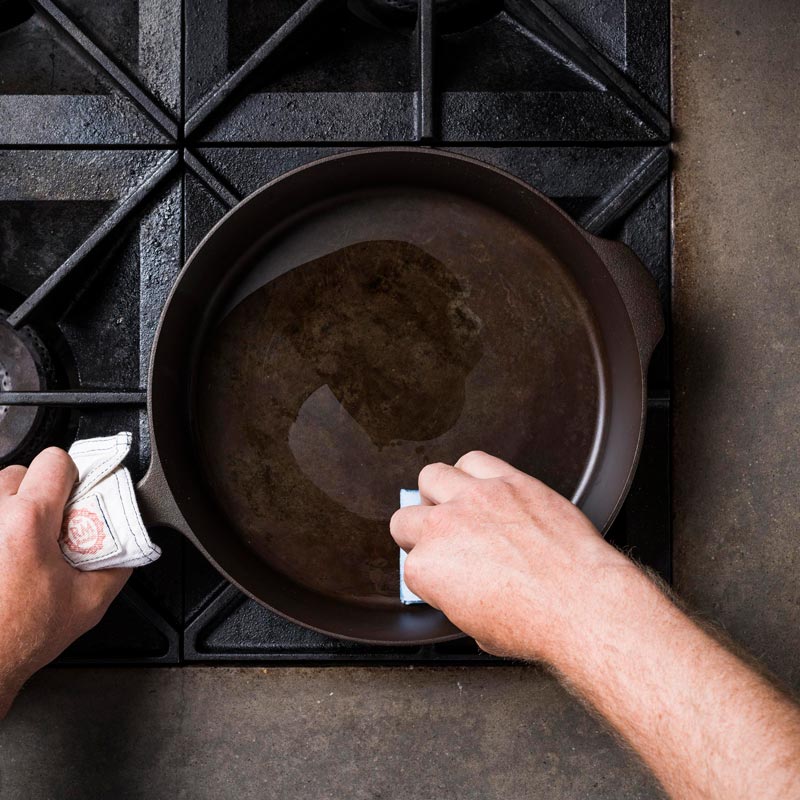
Short answer: no. Cast iron moves seamlessly from stovetop to oven, handling braising beautifully, especially once seasoning is established. Acidic ingredients like tomatoes or wine are fine IF your seasoning is well developed. Just avoid extremely long acidic braises and always clean and lightly coat in seasoning oil after cooking. Regular use only improves the surface.

The Lid Matters More Than You Think

Braising is covered cooking. The lid isn’t optional. It’s the engine.

Our self-basting cast iron lids are designed with three concentric rings on the underside. As moisture evaporates and condenses, those rings redistribute it evenly back over the food. Instead of dripping in one spot, it gently rains over the entire braise.

That means less liquid loss, more even cooking, better flavor concentration, and fewer dry spots. 

More on the history of self-basting lids here.


Where to Start

New to braising? Start here:

Ready to go deeper:

Braising isn’t about precision. It’s about trust. Trust the pan. Trust the lid. Trust that steady heat and time will do what they’ve always done. It’s the kind of cooking that rewards patience, feeds a crowd, and tastes like more work than it was.


Cast Iron Care

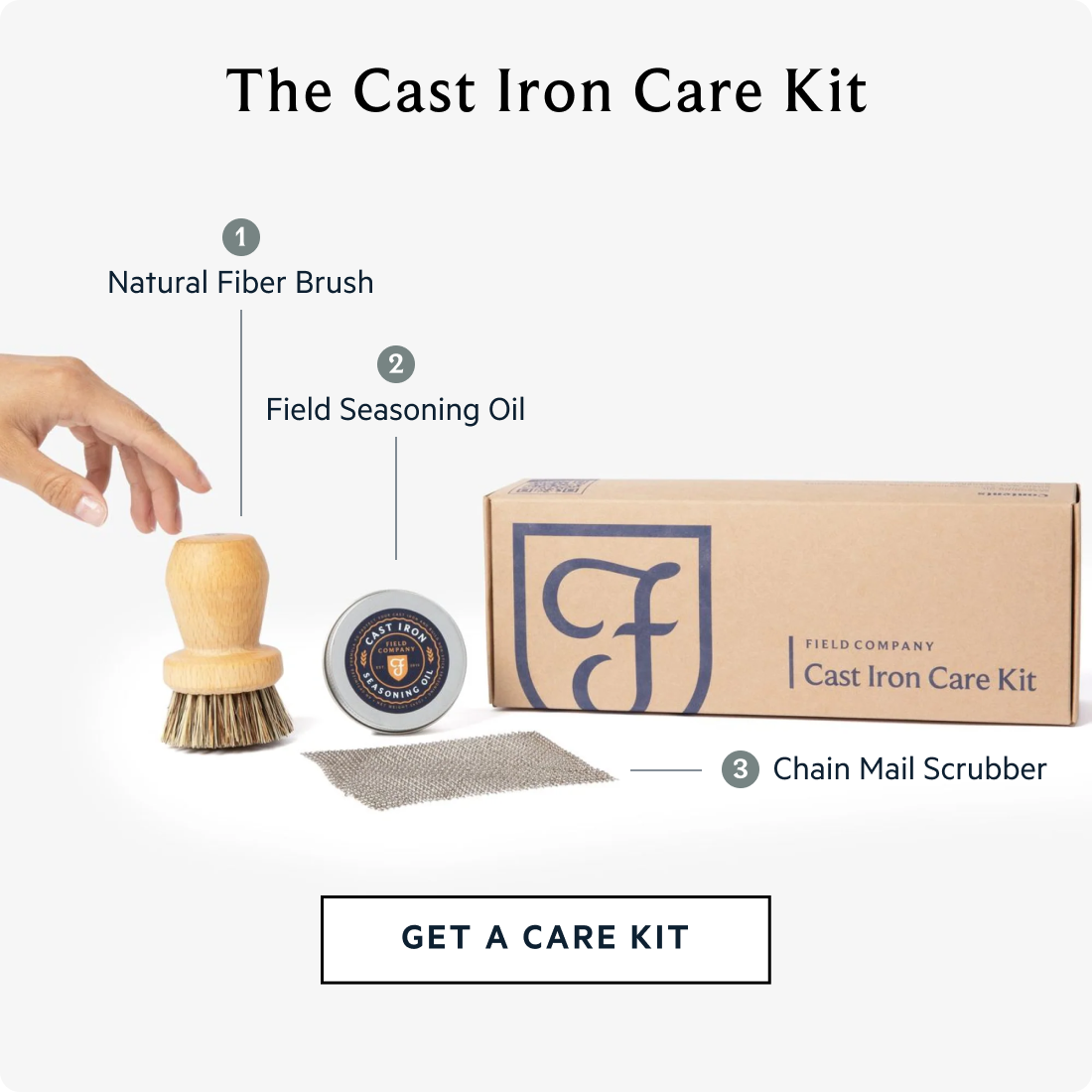
The Cast Iron Care Kit

Everything you need to keep cast iron cookware clean and well-seasoned.

Shop Now